Featured
What Does Preventing New Debt Traps After Your Fresh Star...
The smart Trick of A Guide to Debt Relief Options and How...

Everything about Creating a Personalized Path to Freedom
Table of Contents
That maximizes money in the brief term, and you might have three to four years to save toward the negotiation amount. Very harmful to credit history, primarily as a result of missed payments and an unfavorable "settled" mark that can stay on your credit report for approximately 7 yearsMay be only alternative if other choices (debt consolidation, balance transfer bank card, financial obligation mercy) aren't possibleTypically needs a fee to the 3rd party, which could counter some or all of the cost savings from debt settlementMay help you prevent bankruptcy if you have actually missed several paymentsNot all creditors deal with financial obligation settlement business Debt forgiveness may be ideal for you if you are experiencing a monetary challenge that makes it nearly difficult to pay for your debt balances.
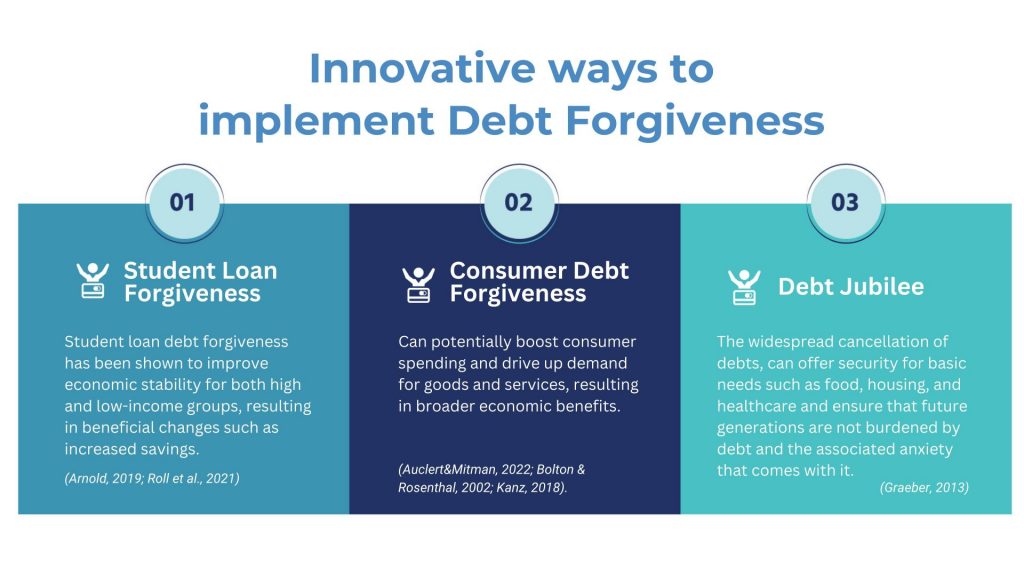
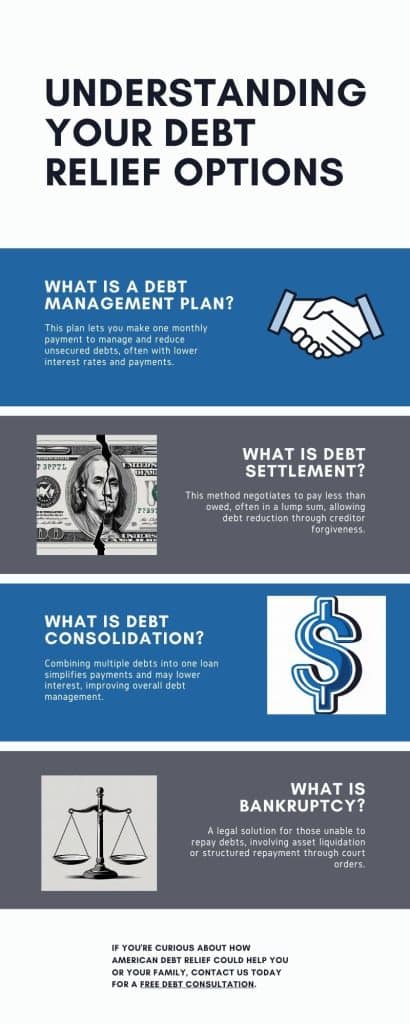
With a DMP, you make one regular monthly payment to the credit scores counseling agency. Those funds are then dispersed to lenders of your unprotected financial debts, such as bank card and installment car loans. The firm collaborates with your lenders to minimize rate of interest rates or forgo fees, however some financial institutions may refuse such concessions.
It can help you pay down financial debt if you're able to secure a lending rate that's reduced than the typical rate of the accounts you're settling. You should avoid from racking up debt on those freshly gotten rid of accounts or your financial obligation can grow also higher.
These cards usually offer a 0% interest initial period of up to 21 months. That provides you a lot of time to get rid of or dramatically decrease your balance while making interest-free settlements. For some people facing insurmountable financial obligation, bankruptcy may be the only way to stop collection proceedings and lawfully solve their financial obligations.
The Main Principles Of What the Law Says While Pursuing Debt Relief
You might require it if your creditor or a collection company ever before tries to accumulate on the financial debt in the future. When a loan provider forgives $600 or more, they are required to send you Type 1099-C.
Debt forgiveness or negotiation generally harms your credit score. Anytime you settle a debt for much less than you owe, it might look like "worked out" on your credit record and impact your credit history score for 7 years from the day of settlement. Your debt can additionally drop significantly in the months leading to the mercy if you drop behind on payments.
The Single Strategy To Use For Actionable Tips Following Online vs Phone Bankruptcy Counseling: Pros
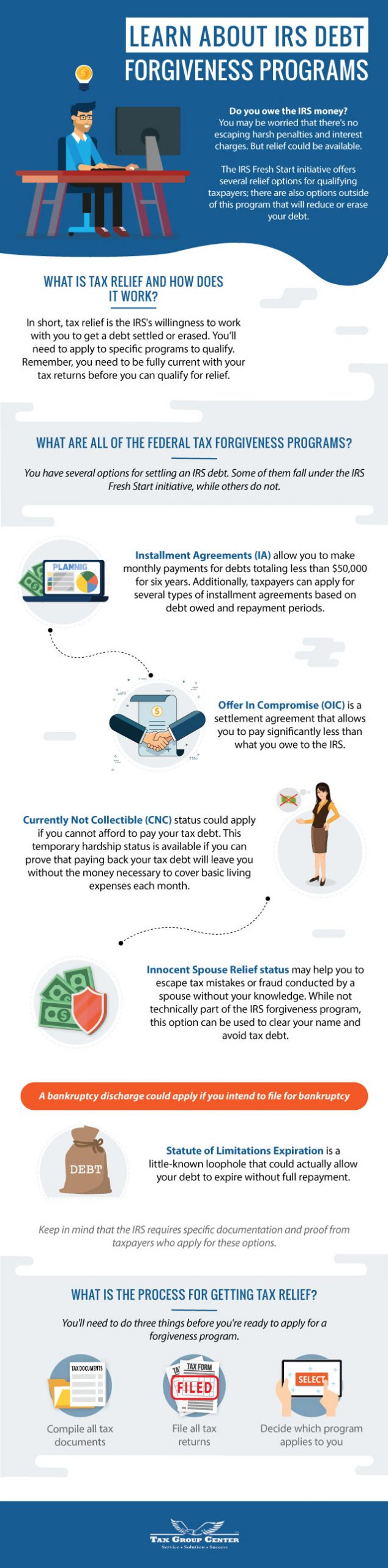
Tax financial debt compromise programs Tax obligation financial obligation takes place when the amount of taxes you owe exceeds what you have actually paid. This situation frequently results from underreporting income, not filing returns promptly, or discrepancies discovered throughout an internal revenue service audit. The consequences of accumulating tax obligation financial debt are severe and can consist of tax obligation liens, which provide the internal revenue service a legal case to your residential property as security for the financial debt.
Higher interest prices on readily available credit score. Wages and Bank Accounts internal revenue service can levy (seize) wages and savings account to please the debt. Reduced earnings and disturbance of crucial economic processes. Residential property Seizure In severe situations, the IRS can seize and sell property to cover the financial debt. Loss of useful assets and prospective displacement.
Social Stigma Facing lawful activity from the IRS can carry social preconception. Work Opportunities A poor credit rating rating due to strain debt can limit work chances. Government Advantages Tax financial debt might influence qualification for federal government benefits, such as Social Safety And Security and Medicaid.
An Unbiased View of How APFSC Help Clients with Individuals
The OIC thinks about a number of variables, including the taxpayer's earnings, costs, property equity, and capability to pay. Efficiently discussing an OIC can be intricate, requiring a comprehensive understanding of the internal revenue service's guidelines and a solid argument for why your offer straightens with your capacity to pay. It is essential to keep in mind that not all applications are approved, and the process calls for thorough monetary disclosure.
The IRS examines your overall economic circumstance, including your income, costs, asset equity, and ability to pay. You should additionally be current with all filing and settlement needs and not be in an open insolvency case. The internal revenue service additionally considers your compliance background, examining whether you have a document of timely filing and paying tax obligations in previous years.
3 Simple Techniques For Questions You Must Ask Before Enrolling
The application process for a Deal in Concession involves a number of comprehensive steps. You must finish and send IRS Type 656, the Offer in Concession application, and Form 433-A (OIC), a collection details declaration for people. These kinds require thorough monetary info, consisting of details regarding your earnings, financial debts, expenditures, and assets.
Back taxes, which are unpaid taxes from previous years, can significantly raise your total internal revenue service financial debt otherwise attended to without delay. This financial debt can accrue interest and late payment charges, making the initial amount owed much larger gradually. Failing to pay back taxes can cause the IRS taking enforcement activities, such as issuing a tax lien or levy against your building.
It is vital to resolve back taxes immediately, either by paying the full amount owed or by arranging a settlement strategy with the IRS. By taking aggressive actions, you can avoid the build-up of additional passion and charges, and prevent much more hostile collection actions by the internal revenue service.
One common reason is the idea that the taxpayer can pay the sum total either as a swelling sum or through a payment plan. The IRS additionally thinks about the taxpayer's revenue, expenditures, property equity, and future earning capacity. If these elements suggest that the taxpayer can pay for to pay greater than the used amount, the internal revenue service is most likely to decline the deal.
All About Worth Compared to Self-Guided Options
It is crucial to supply accurate and full info in your application and to consult with a tax obligation expert to enhance the opportunities of acceptance. Dealing with IRS financial debt can be complicated and complicated. Tax obligation specialists, such as Certified public accountants, tax attorneys, or signed up agents, can supply very useful aid. They have the competence to browse the intricacies of tax regulation and internal revenue service procedures.

Table of Contents
Latest Posts

What Does Preventing New Debt Traps After Your Fresh Start Do?
Getting The Initial Meeting with Professionals To Work
The 8-Second Trick For Financial Impact What You'll Pay for Debt Forgiveness Programs
More
Latest Posts
What Does Preventing New Debt Traps After Your Fresh Start Do?
Getting The Initial Meeting with Professionals To Work
The 8-Second Trick For Financial Impact What You'll Pay for Debt Forgiveness Programs